Universidade do Algarve / Campus de Gambelas, Building 14
21 > 25 SEP 2026 / 16h00 > 20h00

20 Participants
Applications until SEP 13 HERE

!!! Participants must bring a camera and / or a smartphone to capture the traces of daily life, as well as a personal computer, which will serve as the space for building the archive !!!
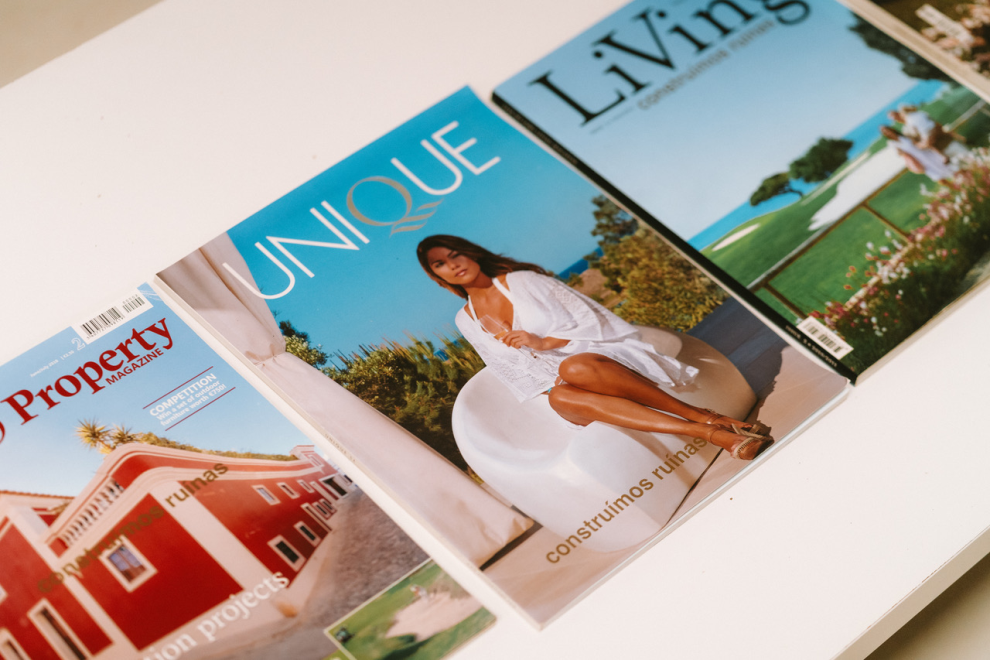
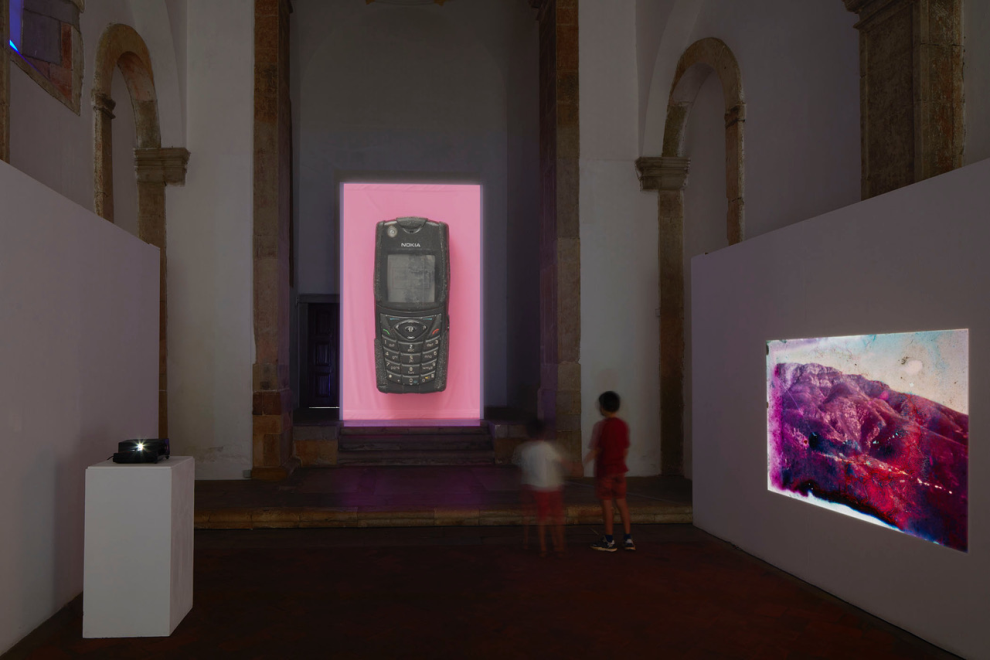
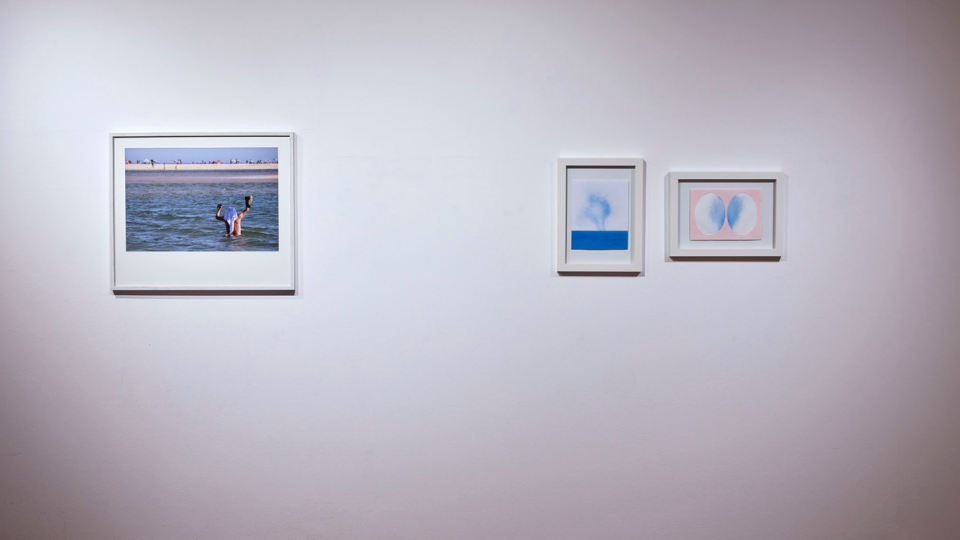
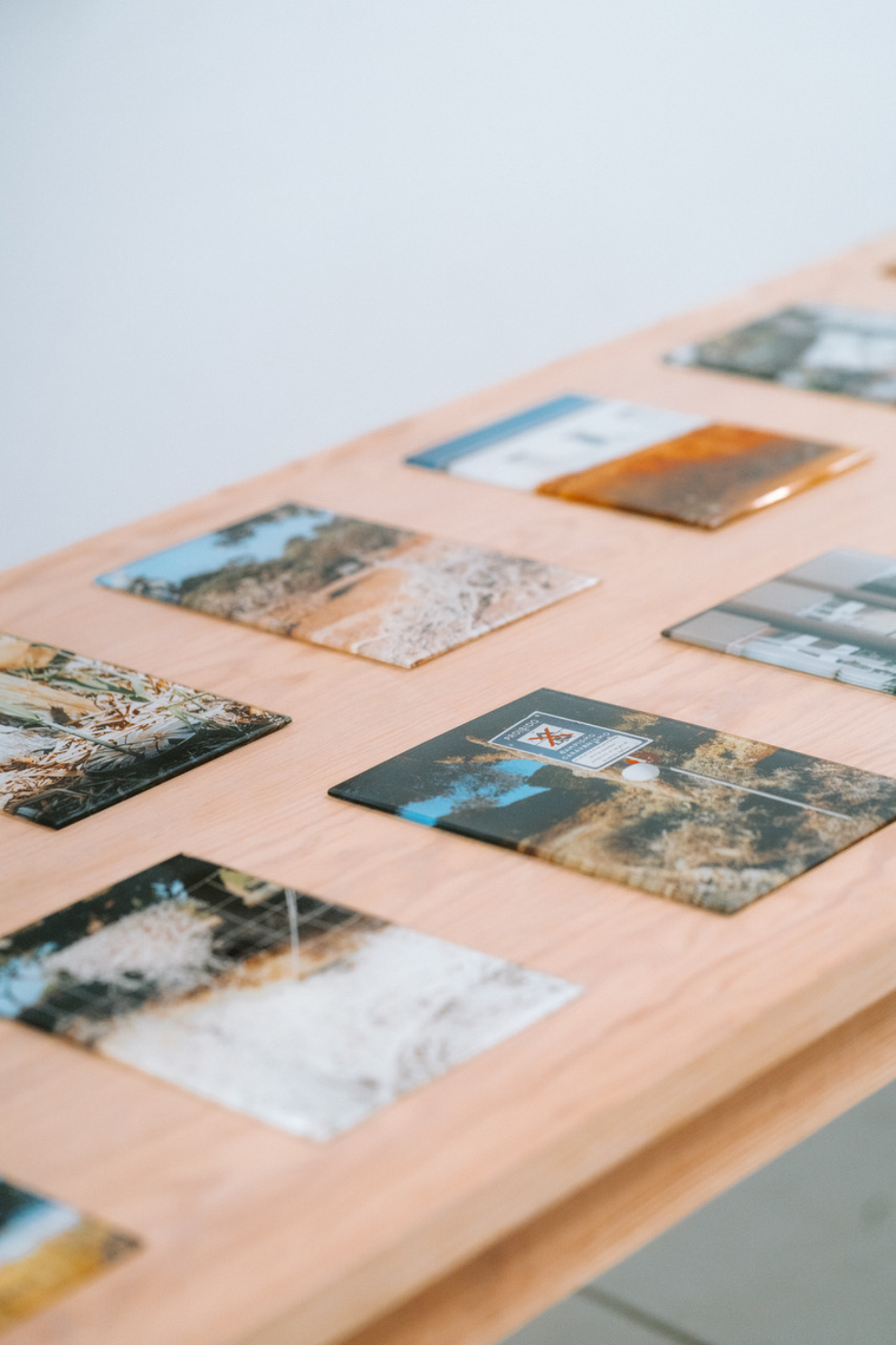
The archive as an artistic practice is at the center of the workshop led by Portuguese visual artist Miguel Cheta. Titled precisely Archiving the Everyday, it summons drawing, photography, cyanotype, and the collection of objects as tools for the mission entrusted to the participants: to observe and document the invisible gestures of daily life, transforming them into creative material.
This approach is simultaneously practical and reflective, focusing on everyday routines and objects that fall victim to a paradox: because they are so present and close to us, they end up going unnoticed.
In this workshop, the challenge is to sharpen attention to the point where it becomes critical. Merely looking is not enough: drawing, photography, and cyanotype are explored as tools for recording and constructing the archive.
The exercise is one of proximity to the traces of daily life, but before recording and archiving, an urgent question arises: what to keep, how to care for what is kept, and what to reveal.
And by choosing which memories to preserve and which archive to create, each participant almost inevitably plunges into another exercise: how to curate their own reorganization.
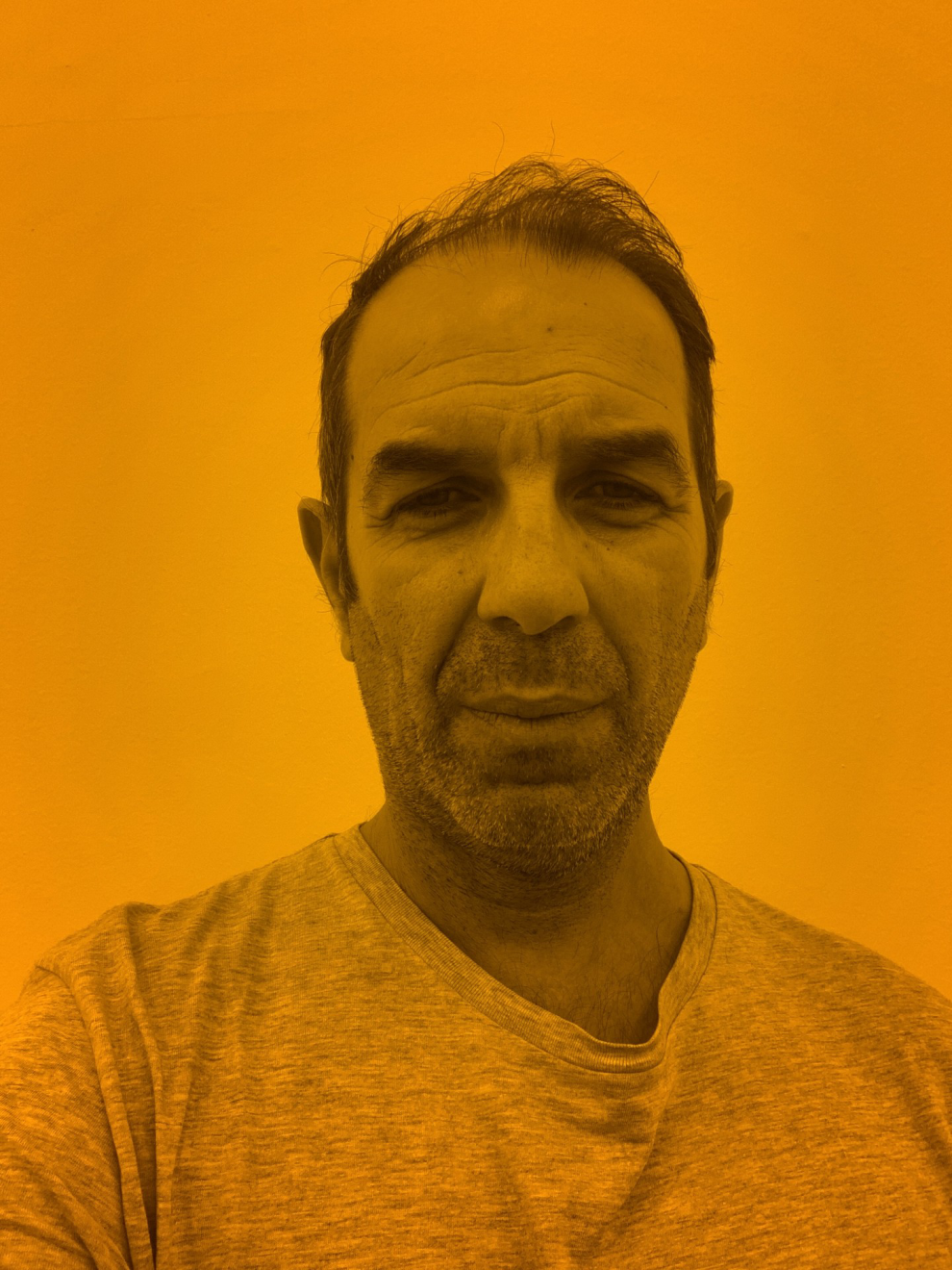
Miguel Cheta (Loulé, 1970) is a visual artist, independent curator, and cultural programmer. He is the artistic director of Alfaia – Associação Cultural and was responsible, between 2021 and 2025, for the Arts Support Plan (Visual Arts) of the Municipality of Loulé.
Holding a degree in Visual Arts from the University of the Algarve, he attended the MobileHome program – a nomadic and experimental contemporary art school directed by Nuno Faria in Loulé (2009–2012).
His artistic practice is multidisciplinary, exploring the relationship between art, territory, and community. His work reflects ongoing attention to the social and political dynamics of the context in which it is embedded, with a special focus on the Algarve as a peripheral and paradigmatic territory.
In parallel, he has developed a consistent path in the fields of cultural mediation and educational projects, collaborating on initiatives that intersect art, heritage, and education, such as Lugares Mágicos (Regional Directorate of Culture of the Algarve), 10×10 (Calouste Gulbenkian Foundation), and Arte Vezes Educação (Municipality of Loulé).
He champions art as a fundamental tool for education, participation, and social integration, promoting practices that strengthen the relationship between artistic creation and community engagement.